Fourteen months embedded in the team behind a 75-tool AI platform.
Both Techtribe founders worked as core full-stack engineers on deal.ai, an AI SaaS platform with 75+ tools, shipping the AI App Wizard, Flux LoRA fine-tuning and real-time generation infrastructure.
- AI SaaS · Marketing
- 14 months
- Dedicated Team
- Live
- Node.js / TypeScript / Express / Next.js / MongoDB
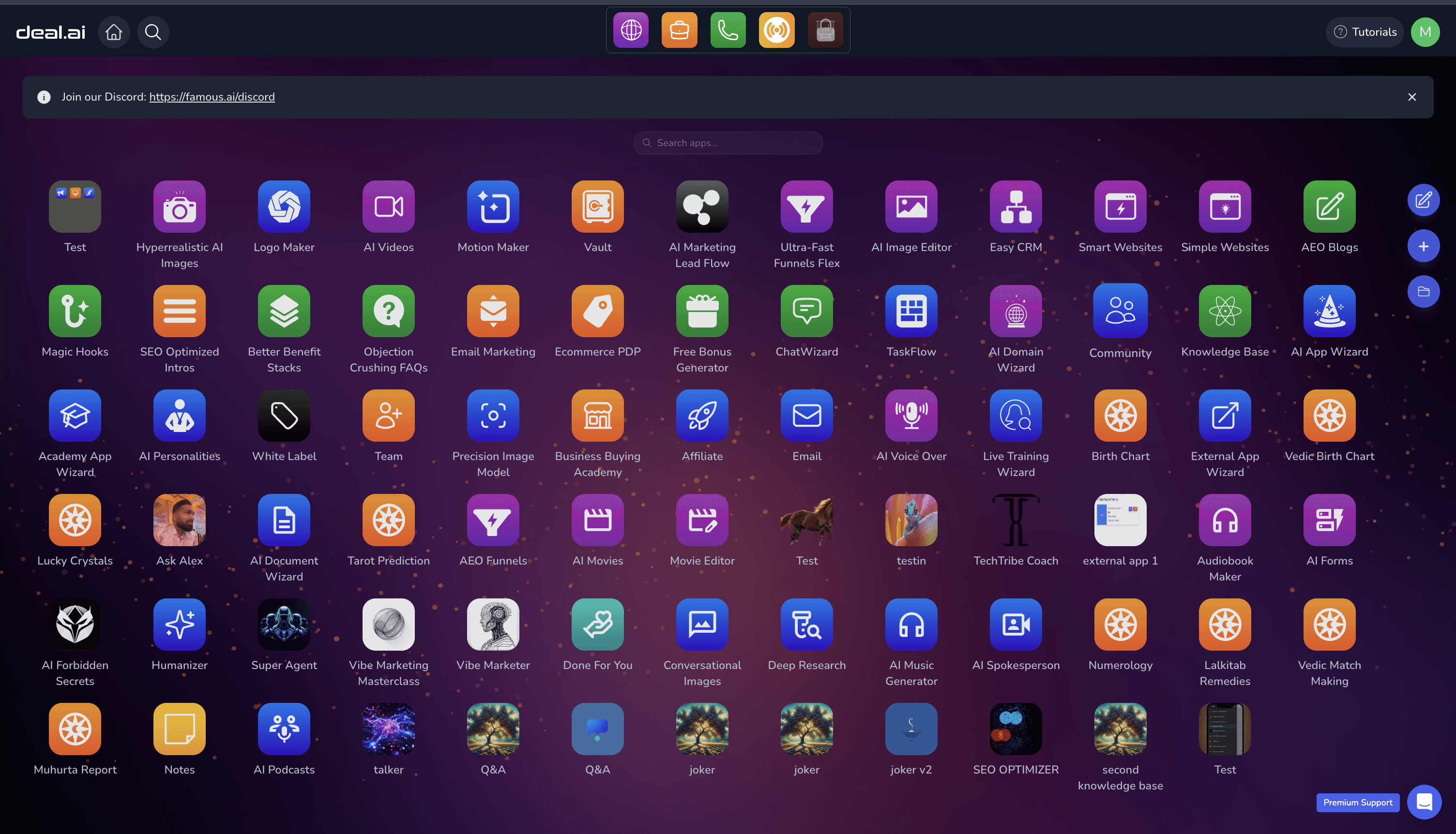
- 75+
- AI tools served from one platform
- 2,800+
- engineering hours embedded
- ~80%
- less client memory on image-heavy screens
The problem
deal.ai is a platform that gives entrepreneurs and agencies a single dashboard for AI content, marketing campaigns, website generation and white-labelled AI products. By 2024 it was growing fast in three directions at once: more tools, more concurrent users, and more white-label partners, each with their own branding, domains and limits.
Every new tool had its own inputs, model parameters and output types. Image and video generation was producing multi-megabyte assets that made the browser sluggish. Generation jobs took ten to sixty seconds and users had no feedback while they waited. The team needed senior engineers who could work inside an existing production codebase, ship weekly, and not break what forty-plus tools depended on.
What we built
Both Techtribe founders joined the platform team as core full-stack engineers and stayed for fourteen months, roughly 2,800 hours between us. We owned features end to end: design, backend, frontend, deployment.
A modular app registry. Each AI tool is described by a schema that the platform loads dynamically and routes through one shared orchestration layer handling API calls, model selection and structured output. This is what allowed the catalogue to grow from a handful of tools to more than 75 without touching core logic.
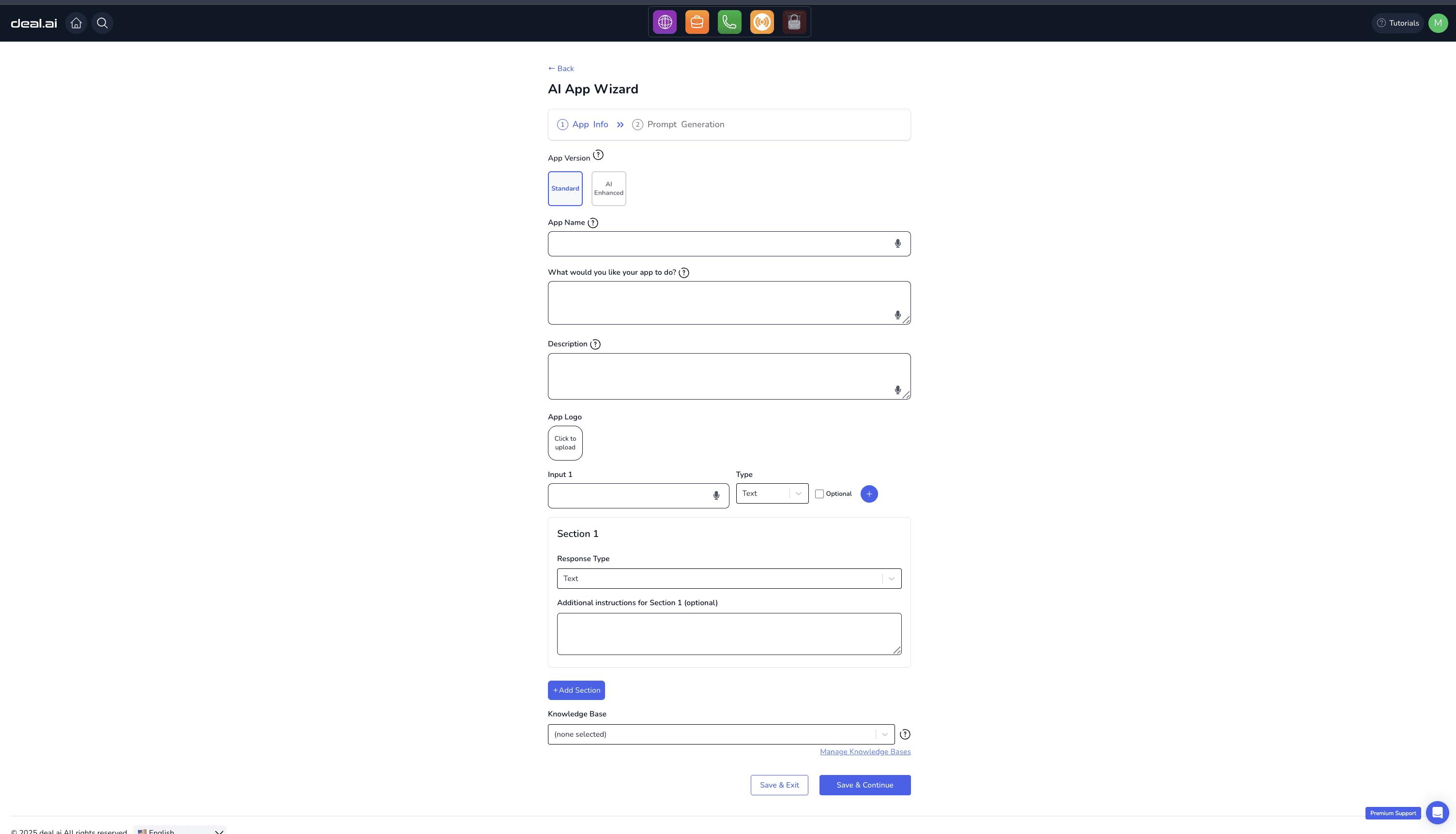
AI App Wizard. A no-code builder where a user describes what an app should do, adds typed inputs and output sections (text, code or image), and gets a working AI application that runs on the same orchestration engine as the first-party tools.
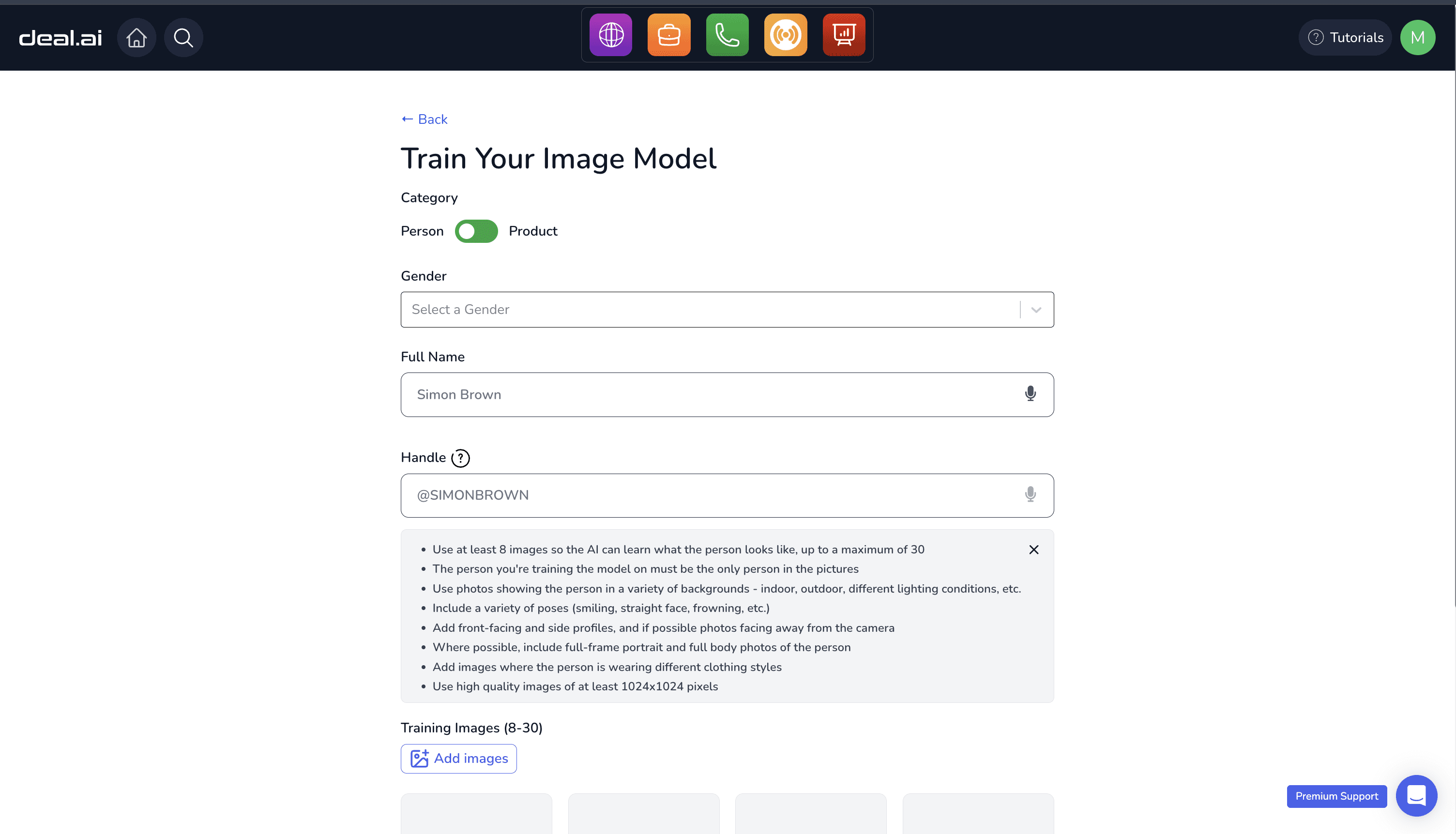
Precision Image Model. A fine-tuning interface for Flux LoRA models. Users upload a set of images; the system handles preprocessing, dataset structuring and training, and the resulting model becomes available across the platform for prompt-based generation. No local GPU, no setup.
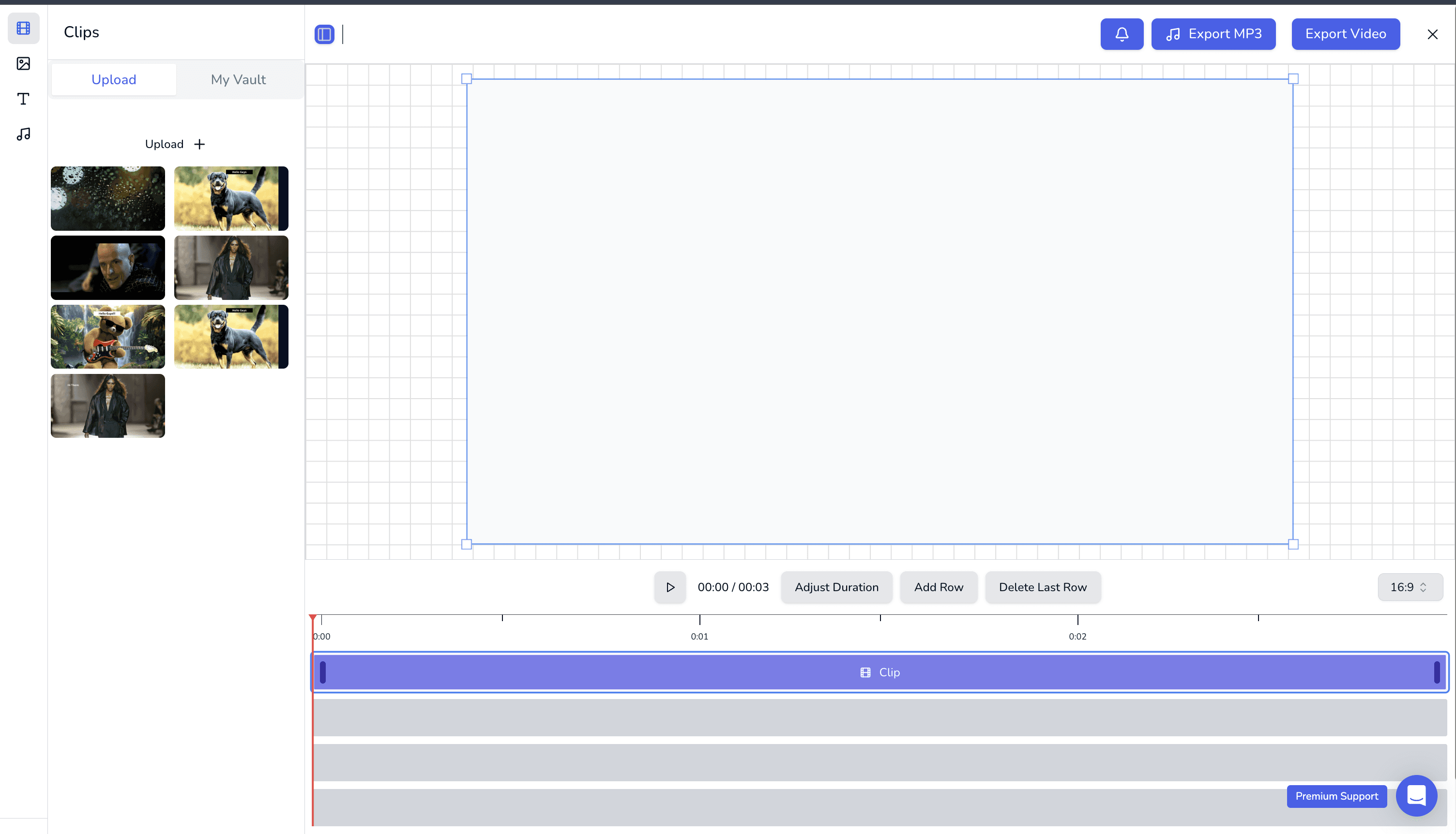
Real-time generation infrastructure. Socket.IO with a Redis adapter broadcasts job state to connected clients, so a sixty-second generation feels alive instead of frozen. Background work runs through Agenda with distributed workers and request batching to keep performance steady under concurrent load.
Multi-tenant white-label layer. Domain-based environment resolution, per-tenant branding and usage limits on top of shared authentication, so partners could launch their own branded platform without a separate deployment.
Media performance. Compressed previews served through a CDN with full-resolution originals on S3. Client memory on image-heavy screens dropped by roughly 80%.
Stack: Node.js and TypeScript with Express for the API, MongoDB with Mongoose for multi-tenant data, Next.js with Tailwind and Redux Toolkit on the front end, AWS S3 for storage, Stripe for subscription and white-label billing, and integrations with OpenAI, Anthropic, Google Generative AI, ElevenLabs and Replicate. New Relic for monitoring.
Results
The platform grew from around ten tools to more than 75, plus a no-code path for users to build their own, on an architecture that kept shipping features without downtime. The engagement ran fourteen months across three consecutive contracts, every one rated 5.0, and remains the largest single engagement in Techtribe's history.
It's also the template for our Dedicated Team package: senior engineers embedded in your team, weekly delivery, your repo, your infrastructure.

“Muhammad Saif is one of the best engineers I've worked with. Always delivers high-quality code in a professional manner. He is great at collaborating and an asset to our team. Would highly recommend.”
- Client
- deal.ai · United States
- Timeline
- May 2024 – Jul 2025
- Our role
- Core full-stack engineers, embedded in the platform team
- Stack
- Node.js, TypeScript, Express, Next.js, MongoDB, Socket.IO, Redis, AWS S3, Stripe, OpenAI, Anthropic, Google Generative AI, ElevenLabs, Replicate